
Secure system integration
Robust housings, monitored cell groups and clear interfaces for integration into modern vehicle platforms.
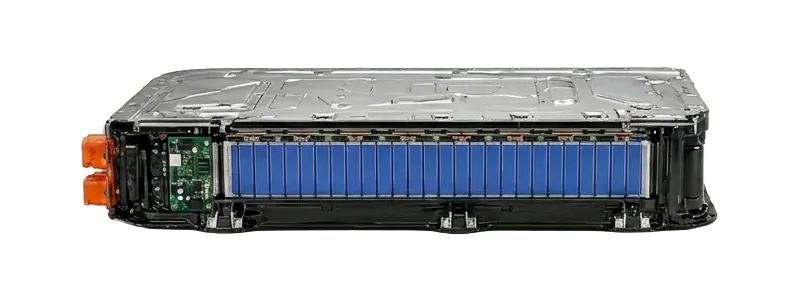
High-efficiency batteries for e-cars
Secure system integration
Robust housings, monitored cell groups and clear interfaces make integration into modern vehicle platforms easier. Each module is designed to absorb mechanical loads while keeping service, diagnostics and replacement transparent. The electrical and bus connections are planned so that vehicle manufacturers can implement the vehicle electrical system, high-voltage and safety requirements in a repeatable assembly process. Every connection stays accessible where maintenance is realistically due. In operation, software integration ensures that status, limits and intervention options are clearly defined for workshops and diagnostics – from commissioning to later dismantling in the circular system.
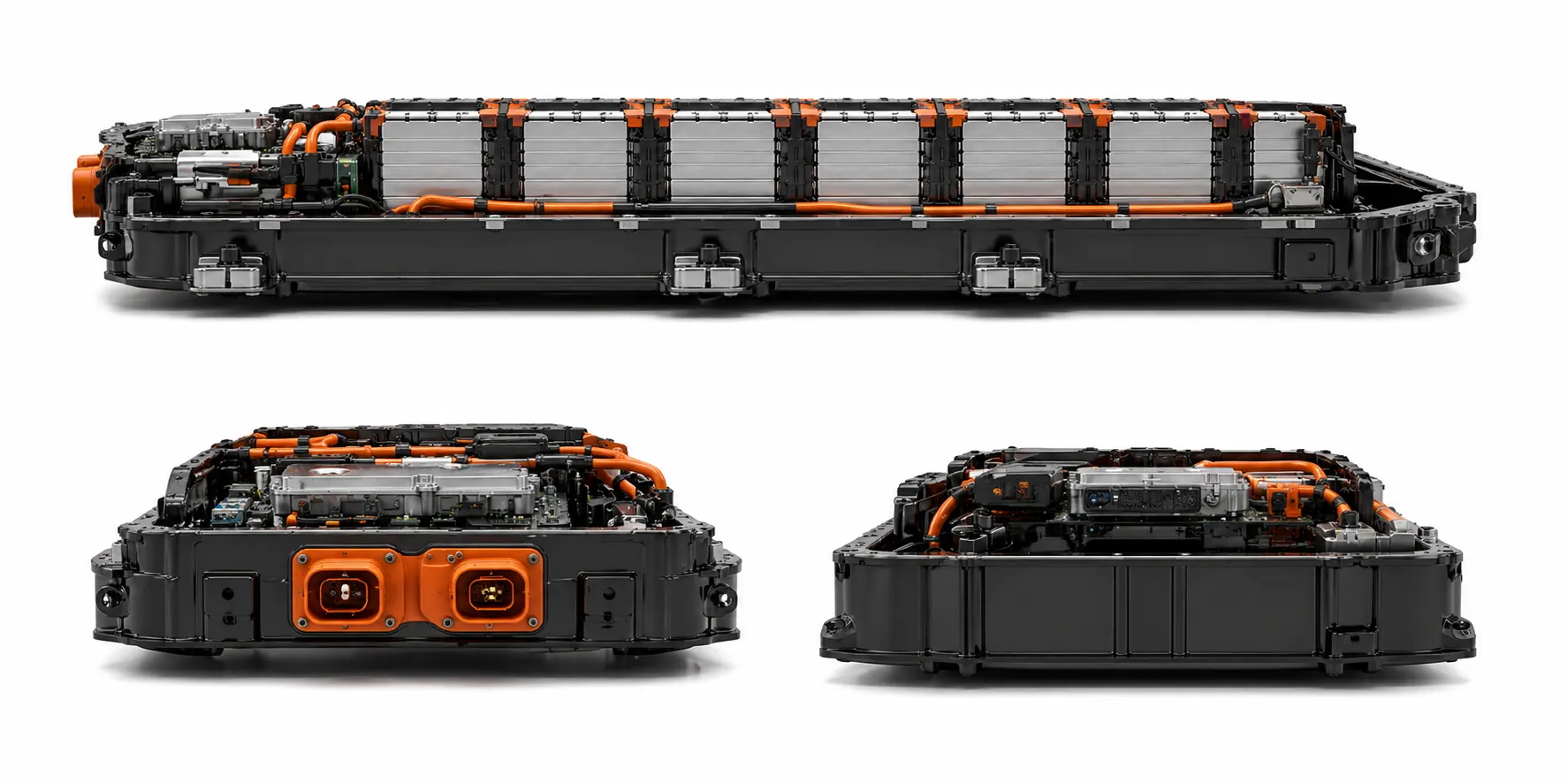
| HV connector concept | finger-safe, coded, repair note |
|---|---|
| Vehicle electrical system connection | 12 V / LV precharge staged |
| Gateway / Bus | CAN-FD, OEM profiles extensible |
| Crash signal path | redundant, millisecond-fast |
| Insulation monitoring | DC link, cyclic test |
| Service port | diagnostics-linked, protective cover |
| EMC edge behavior | buffered to class requirements |
| Mechanical carrier interface | fins + sealing strip matched |
| Battery bolting | torque sequence specified |
| Climate interface | cooling circuit can be coupled 1:1 |
| Charging port logic | CCS protocol stages, derated |
| Commissioning | key initialization & calibration |
| Legacy issues / cross current | software-guided during service |
| Fleet updates | package-wise, signed |
| End-of-life | disconnect plan & discharge path |